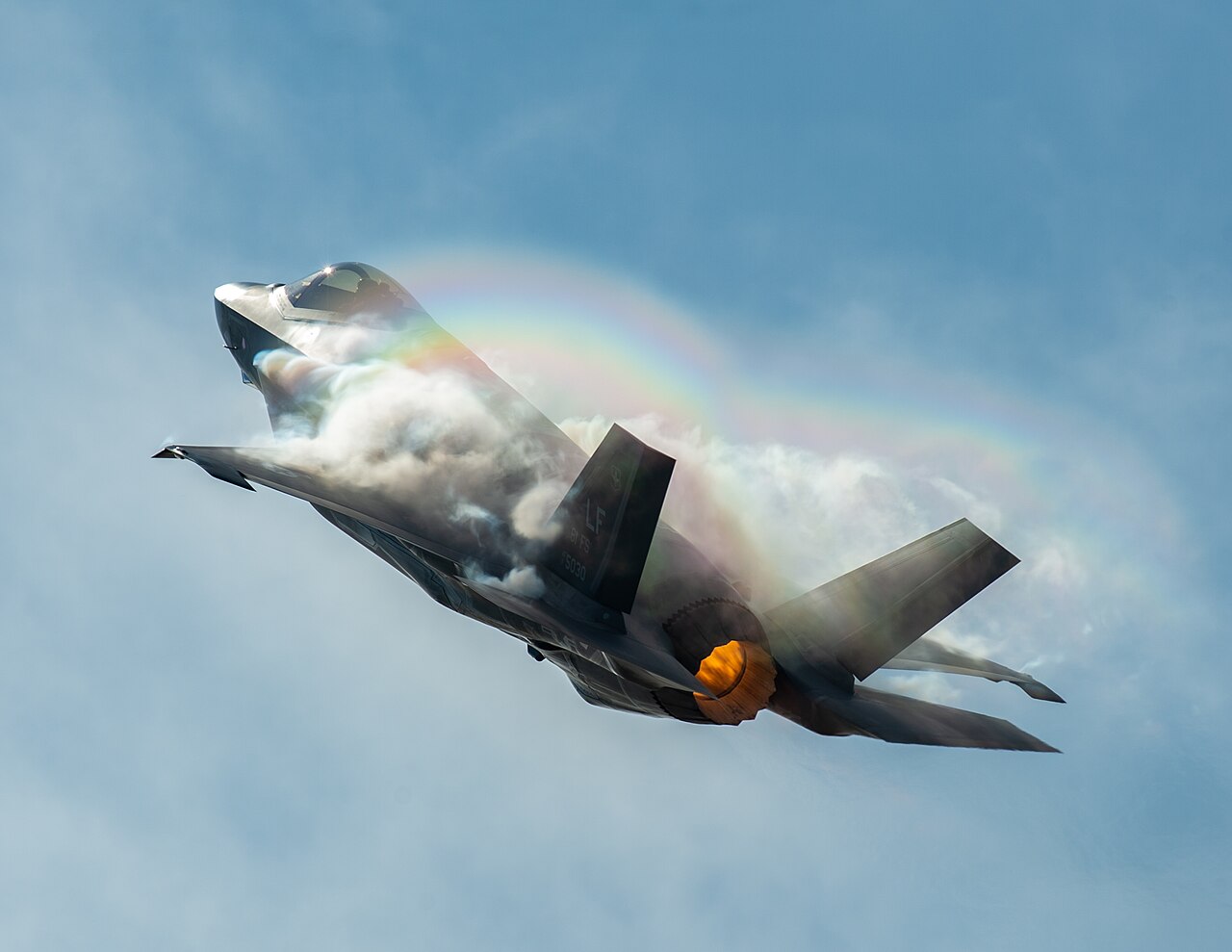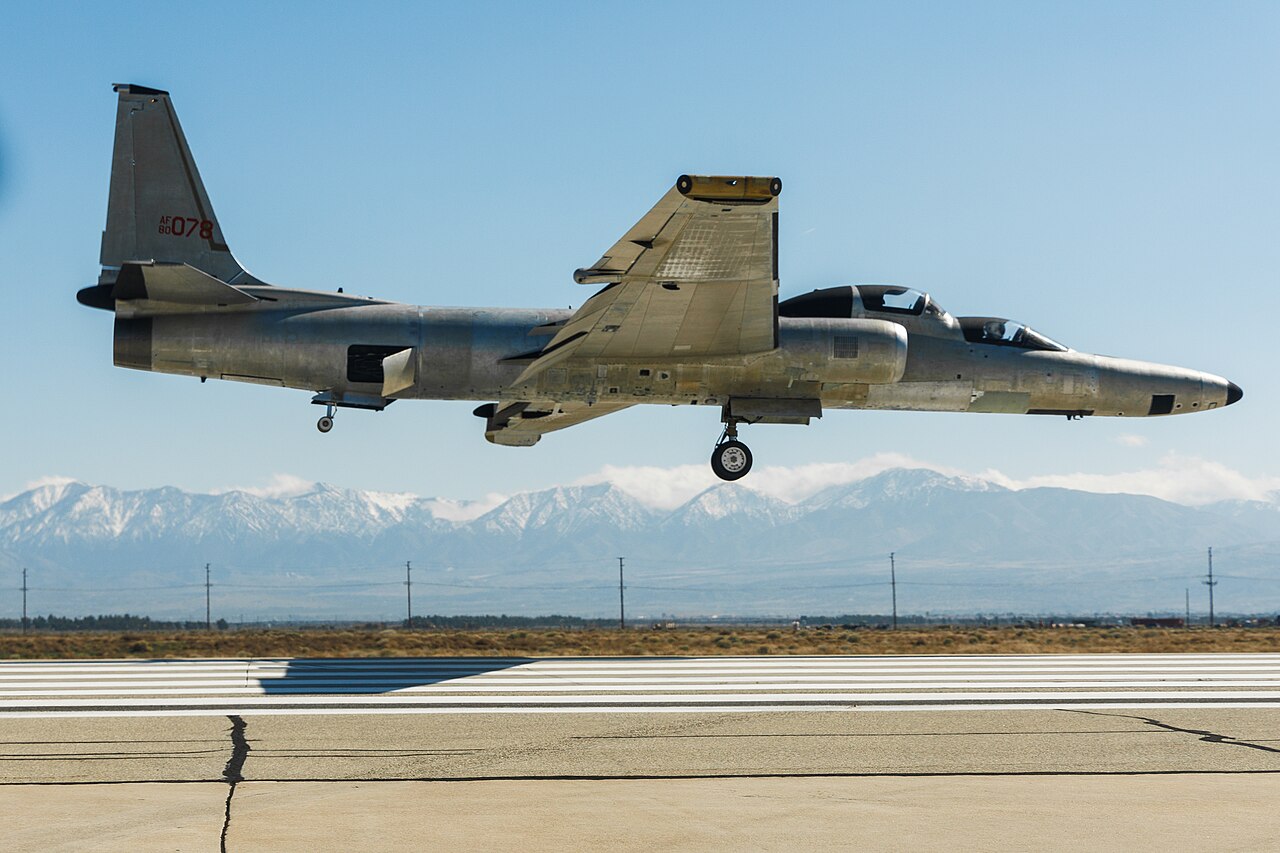
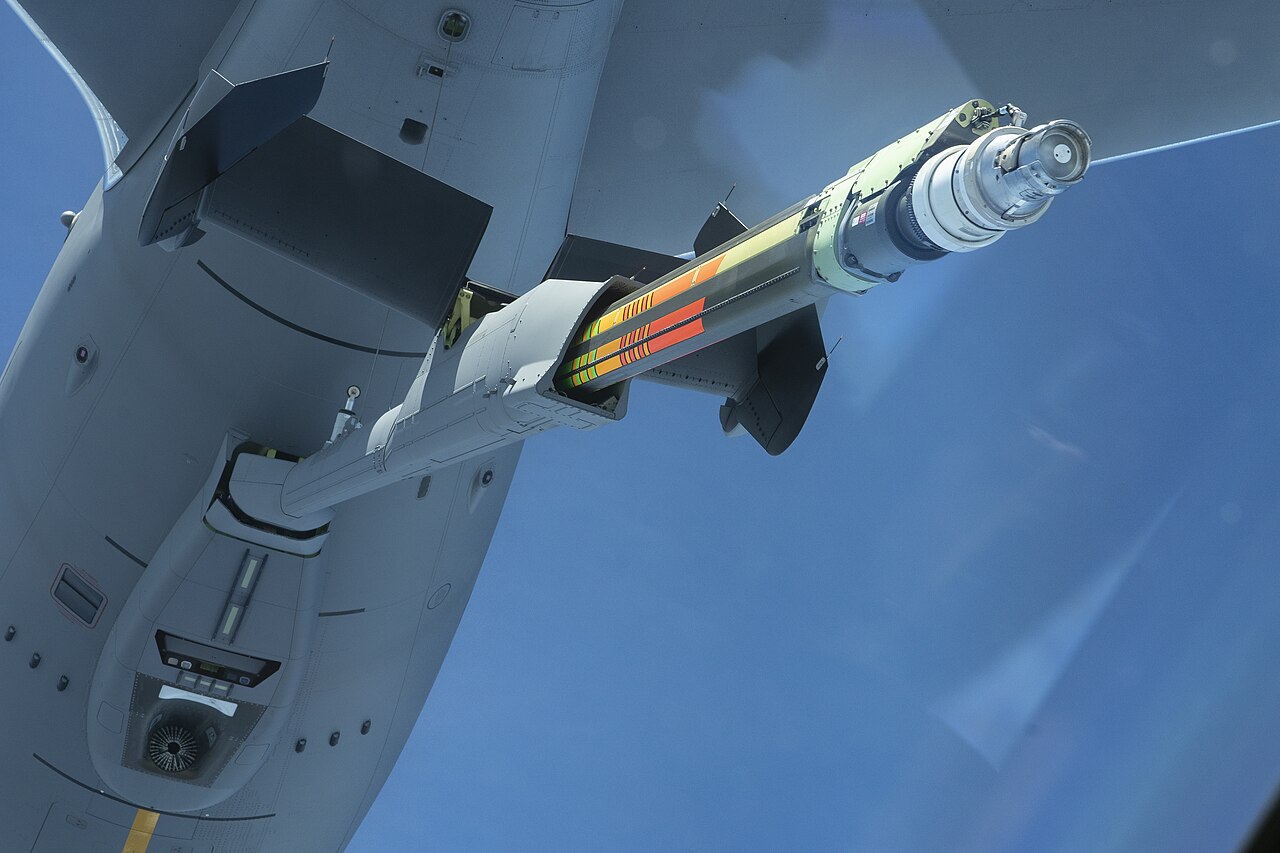
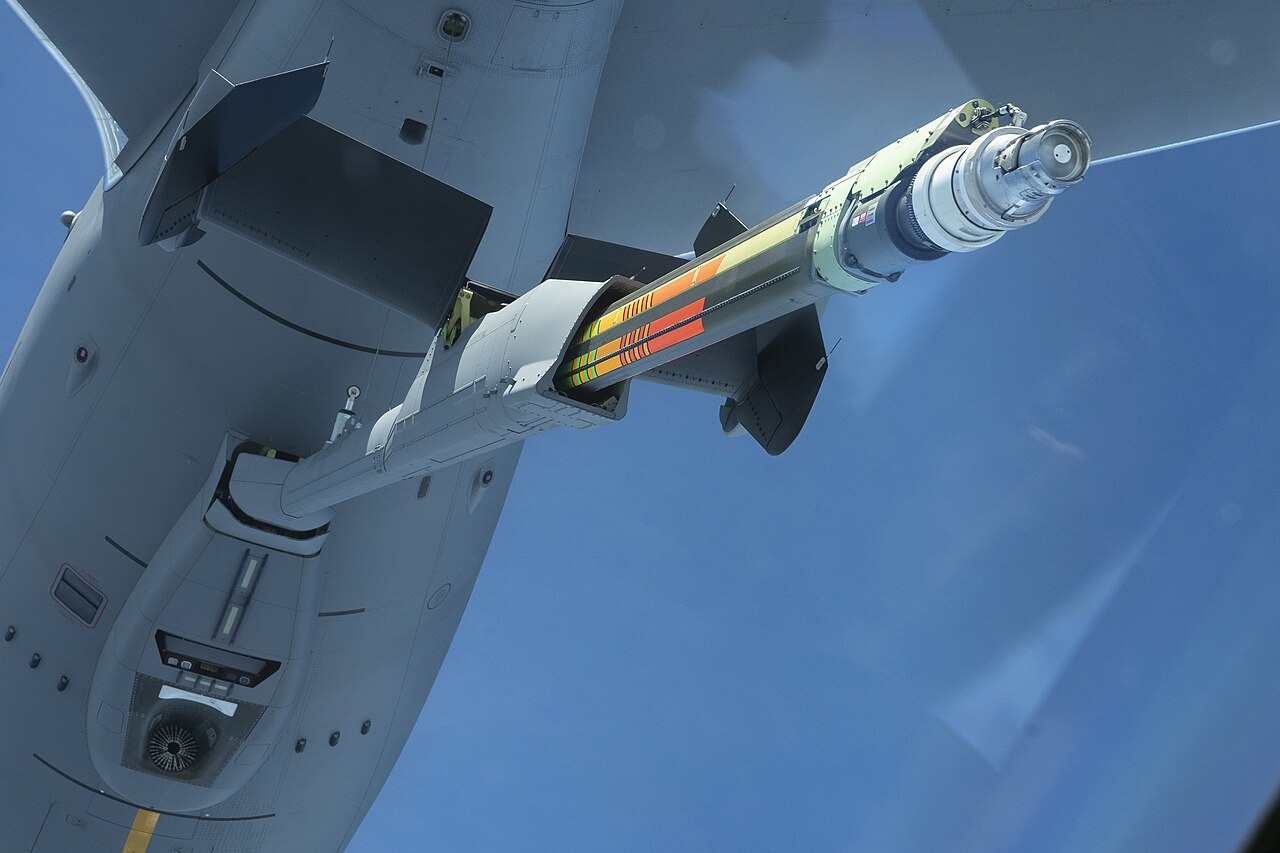
The Boeing KC-46A Pegasus is not merely a flying tanker; it is a digital force multiplier that redefines global air power projection. Derived from the proven 767-200ER airframe, the Pegasus introduces the Remote Vision System (RVS), a technological leap allowing the boom operator to manage hook-up maneuvers with surgical precision, ensuring NATO fighter operational continuity in the most complex skies.
✈️ Technical Specs & Performance
History, Origins and Design Philosophy
The KC-X program emerged from the USAF's need to replace the aging KC-135 fleet. The design philosophy focused on versatility: not just fuel, but multi-role transport, medical evacuation, and advanced sensors. The integration of a fly-by-wire system for the boom marked a historic break from the mechanical past.
Aeronautical Engineering, Engines and Aerodynamics
Powered by two PW4062 turbofans, the Pegasus provides 63,300 lbf of thrust each. Aerodynamics are optimized for stability during the 'tanker trail,' where wake turbulence must be minimized to allow fighters to maintain position at FL280 with millimeter precision.
Life in the Cockpit: Operational Procedures
The cockpit is an ergonomic masterpiece based on the 787 Dreamliner. Boom operators work at a dedicated station, using the RVS system that provides high-definition 3D vision. The rendezvous follows strict NATO procedures, where radio communication and visual telemetry define mission success.
Real Missions and Operational Challenges
From Red Flag exercises to deterrence missions in Europe, the KC-46A has proven it can handle a variety of aircraft, from the F-35 to the A-10. The challenge lies in maintaining constant transfer speeds despite high-altitude air density variations.
| Technical Feature | Official Data |
|---|---|
| Wingspan | 47.57 m |
| Length | 50.46 m |
| MTOW | 188,240 kg |
| Crew | 3 (Pilot, Copilot, Boom Operator) |
The future of the KC-46A lies in deeper integration with tactical data networks, making it not just a refueler, but a flying command and control hub.