In 1090 MHz ADS-B monitoring, the signal received by the antenna undergoes inevitable attenuation along the coaxial cable. This guide analyzes how integrating an LNA (Low Noise Amplifier) near the antenna, powered via Bias-Tee, is critical to maintaining an optimal Signal-to-Noise Ratio (SNR).
📡 Specifiche Hardware & Parametri RF
- Frequency: 1090 MHz (Mode S)
- Antenna Gain: 5-8 dBi
- NF (Noise Figure): < 1.0 dB
- SDR: RTL-SDR Blog V3/V4 or Airspy
RF Architecture and Link Budget
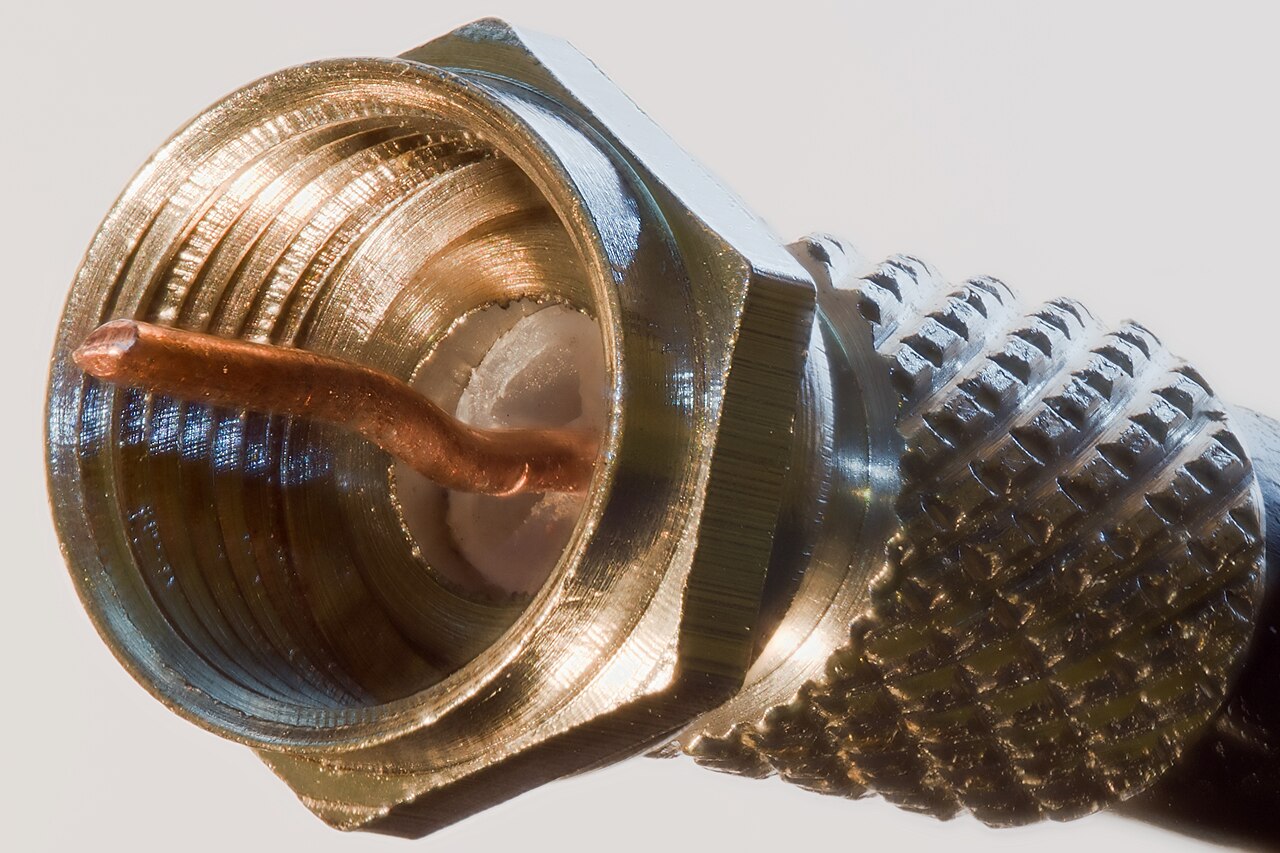
Friis's formula dictates that the first amplification stage dominates the system's noise figure. Placing an LNA directly at the antenna eliminates the impact of insertion losses from coaxial cables (e.g., RG-58 or LMR-400) on the receiver's overall noise.
Bandpass Filters: Cavity vs SAW
To prevent receiver saturation from out-of-band signals (LTE, GSM), selective filtering is necessary. SAW filters are compact, while cavity filters offer superior roll-off, ideal for dense urban environments.
LNA Preamplifiers and Bias-Tee
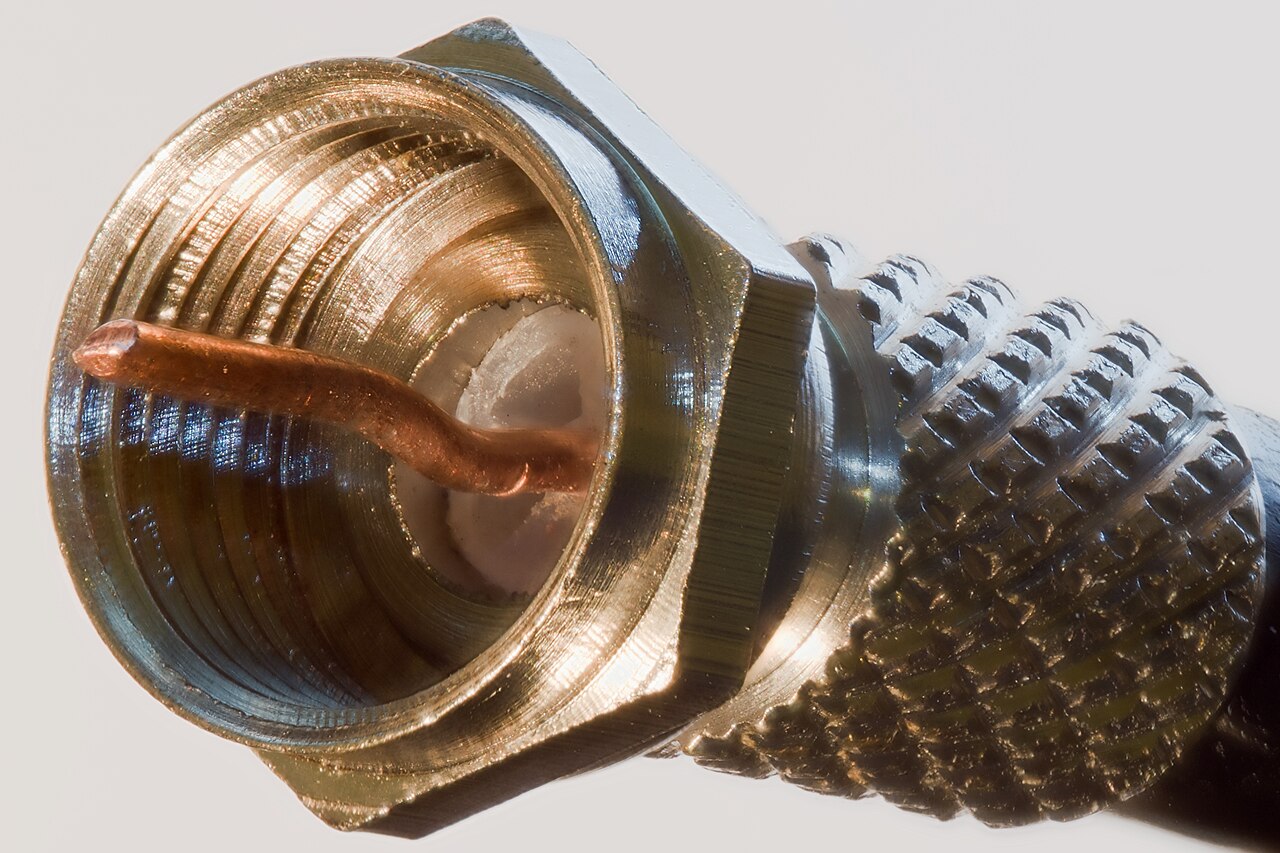
The Bias-Tee allows DC power to be sent over the same coaxial cable carrying the RF signal. This eliminates the need for power lines on the roof, simplifying remote LNA installation.
Gain Calibration
Excessive gain can cause intermodulation. It is essential to balance LNA gain with the dynamic range of the SDR receiver's ADC converter.
| Parameter / Component | Optimal Value / Description |
|---|---|
| LNA Gain | 15-20 dB |
| RF Cable | LMR-400 or equivalent |
| Bias-Tee Voltage | 5V - 12V DC |
To view the routes tracked by our community, visit map.adsbitalia.it and consult the feeding guide at adsbitalia.it/it/feeding.html.