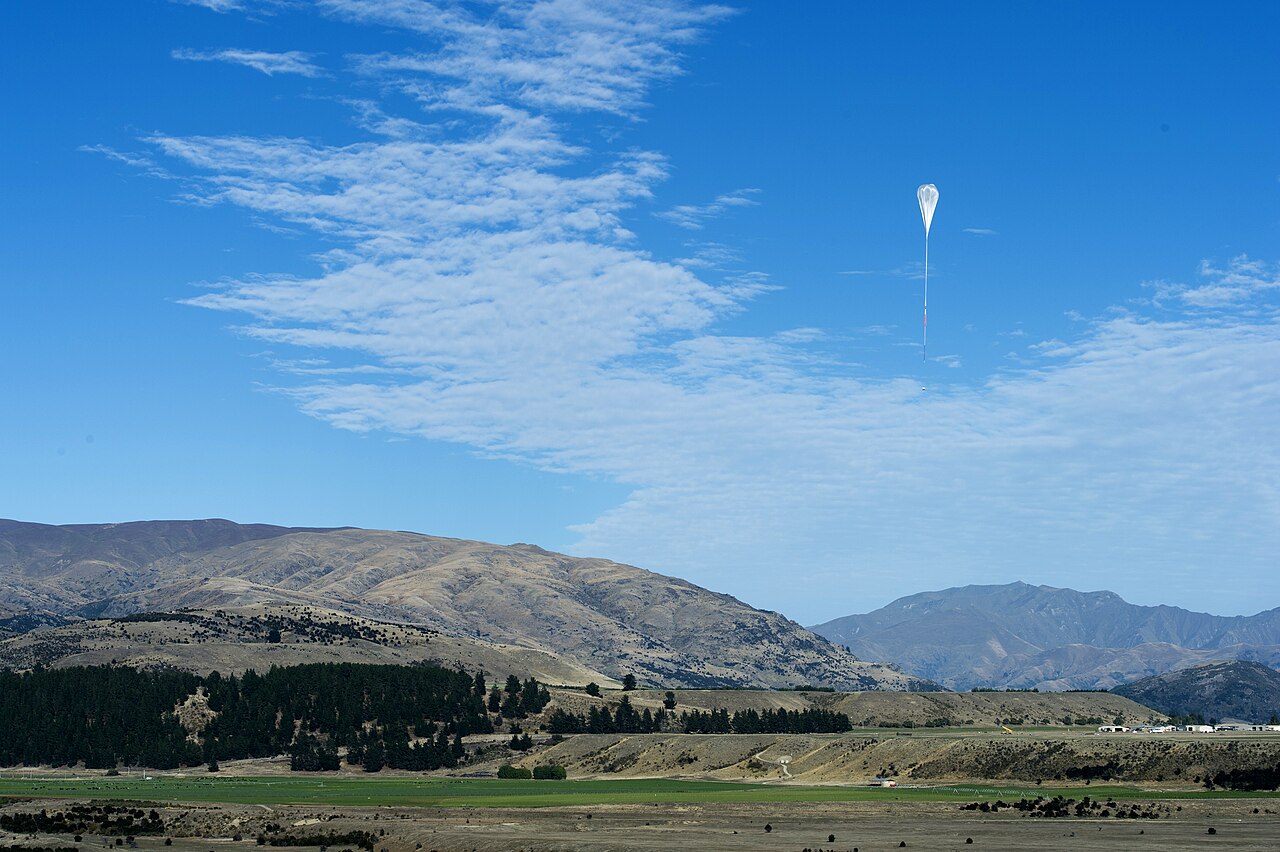
Beyond the limit where the air thins and the blue sky turns to cosmic abyss, a new class of aircraft is redefining aeronautics: super-pressure balloons.
✈️ Technical Specs & Performance
History, Origins, and Design Philosophy
The concept of utilizing the stratosphere for long-duration missions dates back to the dawn of scientific exploration, but only with modern high-strength polymers have we reached operational maturity.
Aeronautical Engineering, Engines, and Aerodynamics
Unlike traditional aerostats, the super-pressure balloon maintains a constant shape through internal pressure, ensuring predictable aerodynamics during thermal cycles.
Life in the Cockpit: Operational Procedures and Pilots
Though remotely piloted, the 'pilot' manages flight profiles from mission control, manipulating ballast and attitude to intercept specific jet streams.
Real Missions, Famous Routes, and Operational Challenges
Transcontinental routes exploit zonal winds. The greatest challenge remains navigating near polar vortices, where stratospheric turbulence tests material integrity.
| Technical Feature | Official Data |
|---|---|
| Envelope Diameter | 120 meters |
| Gas Volume | 850,000 m3 |
| MTOW | 2,500 kg |
| Crew | 0 (Remote) |
The future of aeronautics lies in this symbiosis between material science and global meteorology.