In aeronautical monitoring, managing high-traffic ADS-B on 1090 MHz poses critical challenges regarding noise floor and burst collisions. This guide analyzes how 12-bit ADC resolution overcomes the inherent limits of 8-bit RTL-SDRs.
📡 Specifiche Hardware & Parametri RF
RF Architecture and Signal Dynamics
RTL-SDRs use an 8-bit ADC, limiting dynamic range to ~50 dB. In high-traffic areas, strong signals saturate the receiver, masking weaker packets. A 12-bit SDR provides superior dynamic range, allowing better differentiation of overlapping bursts.
Cavity vs SAW Filters
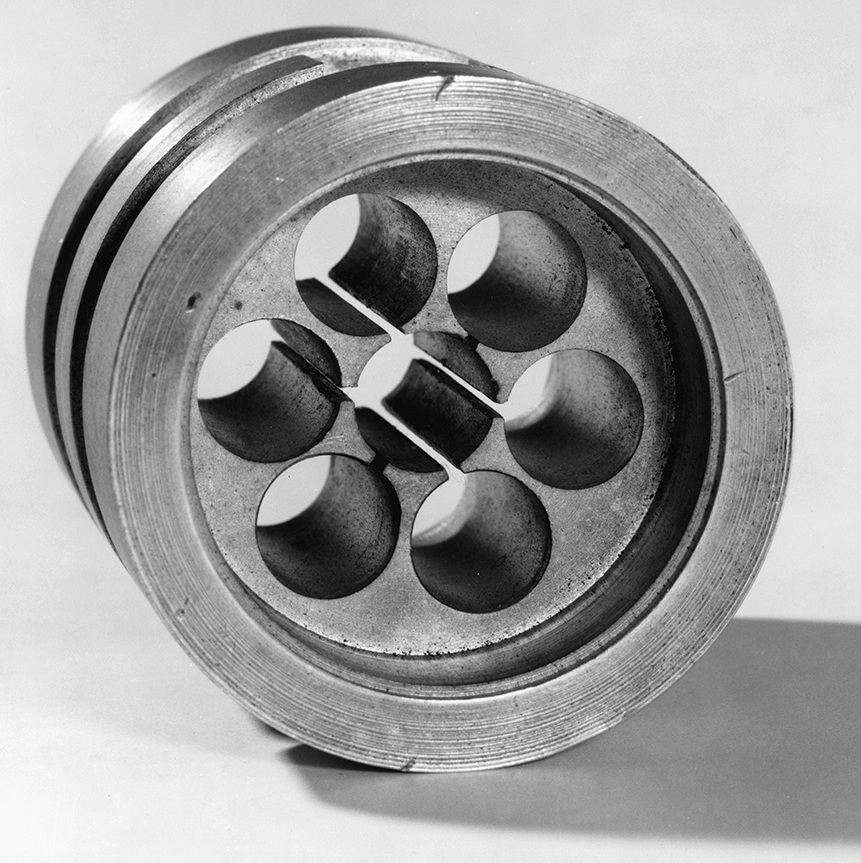
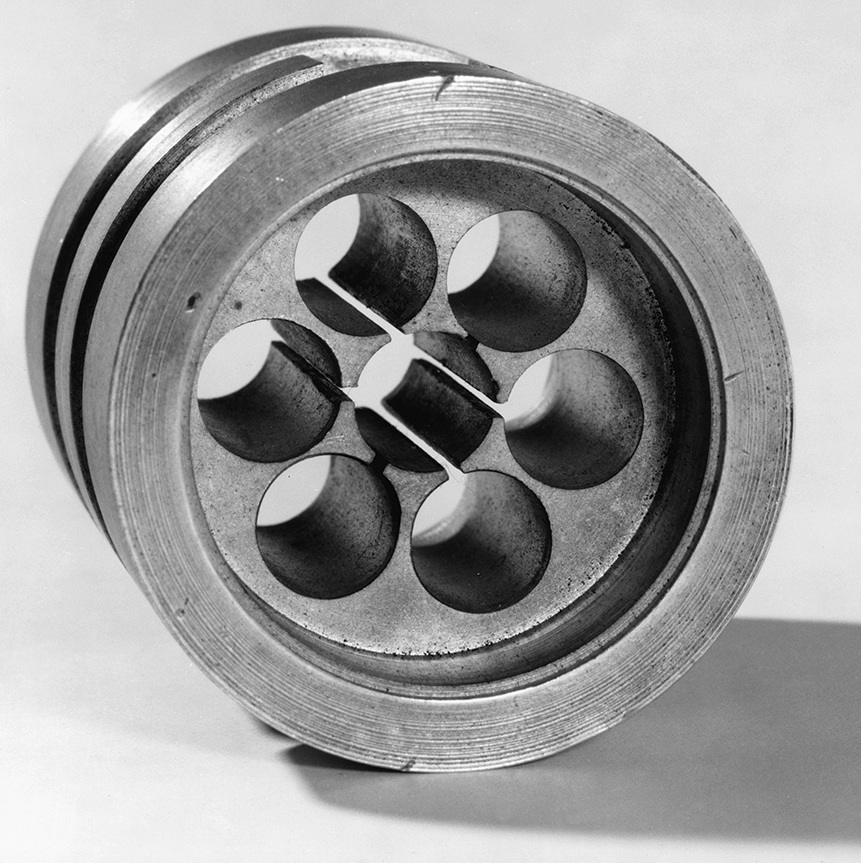
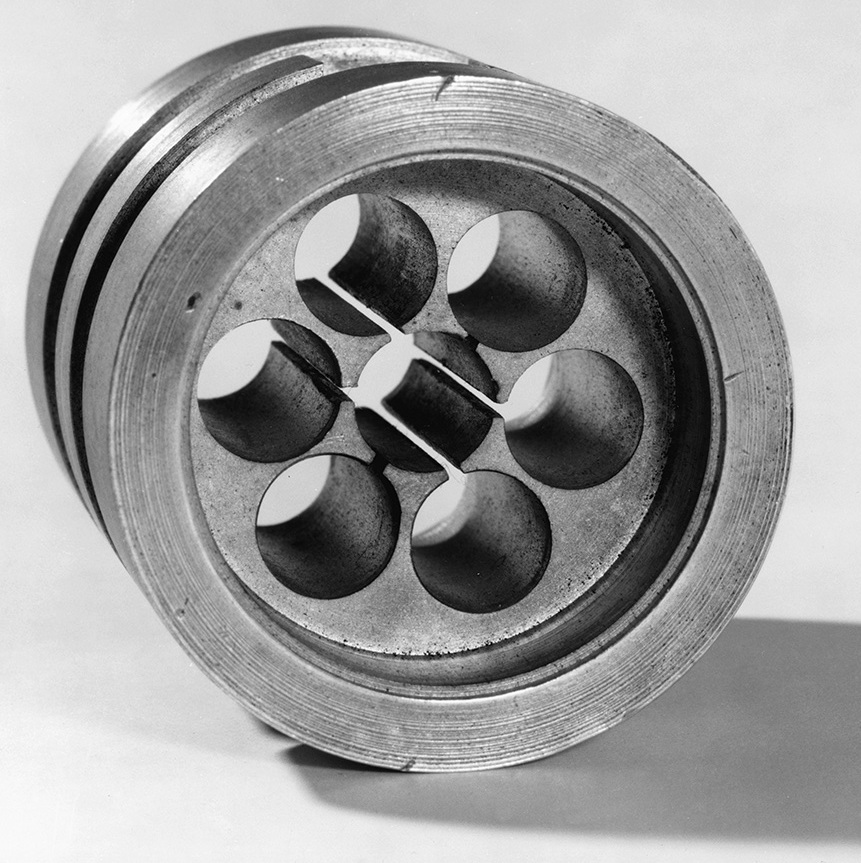
Bandpass filtering is essential. SAW filters are compact but have high insertion loss. Cavity filters offer superior roll-off, crucial for mitigating interference from nearby LTE/GSM stations.
LNA and Bias-Tee
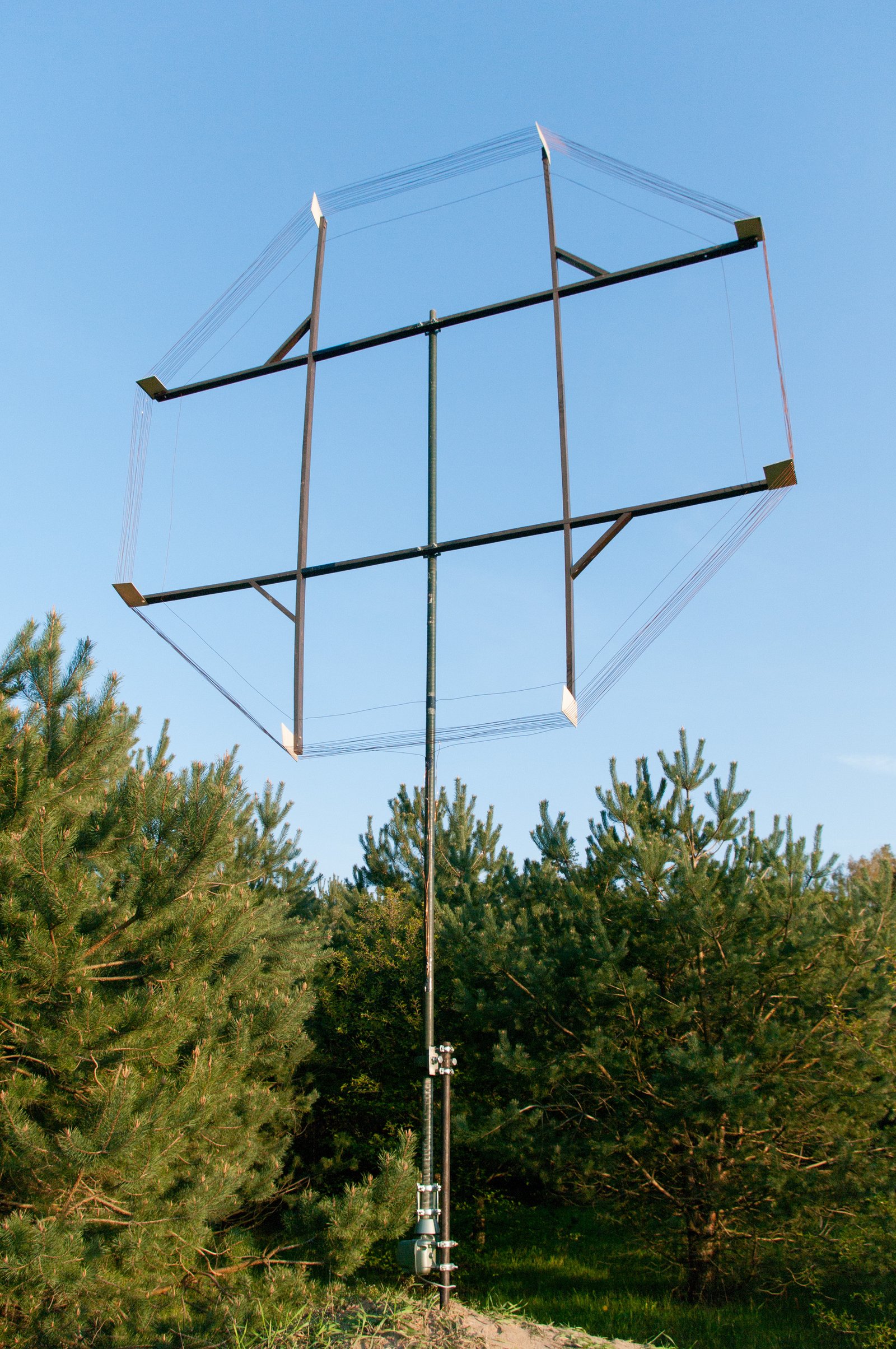
Integrating a low-noise LNA (NF < 1dB) at the antenna, powered via Bias-Tee, offsets coaxial cable losses, improving the overall SNR.
| Parameter / Component | Optimal Value / Description |
|---|---|
| ADC Resolution | 12-bit (for high dynamics) |
| Frequency | 1090 MHz |
| Coaxial Cable | LMR-400 or equivalent |
View routes at map.adsbitalia.it and consult the feeder guide at adsbitalia.it/it/feeding.html.