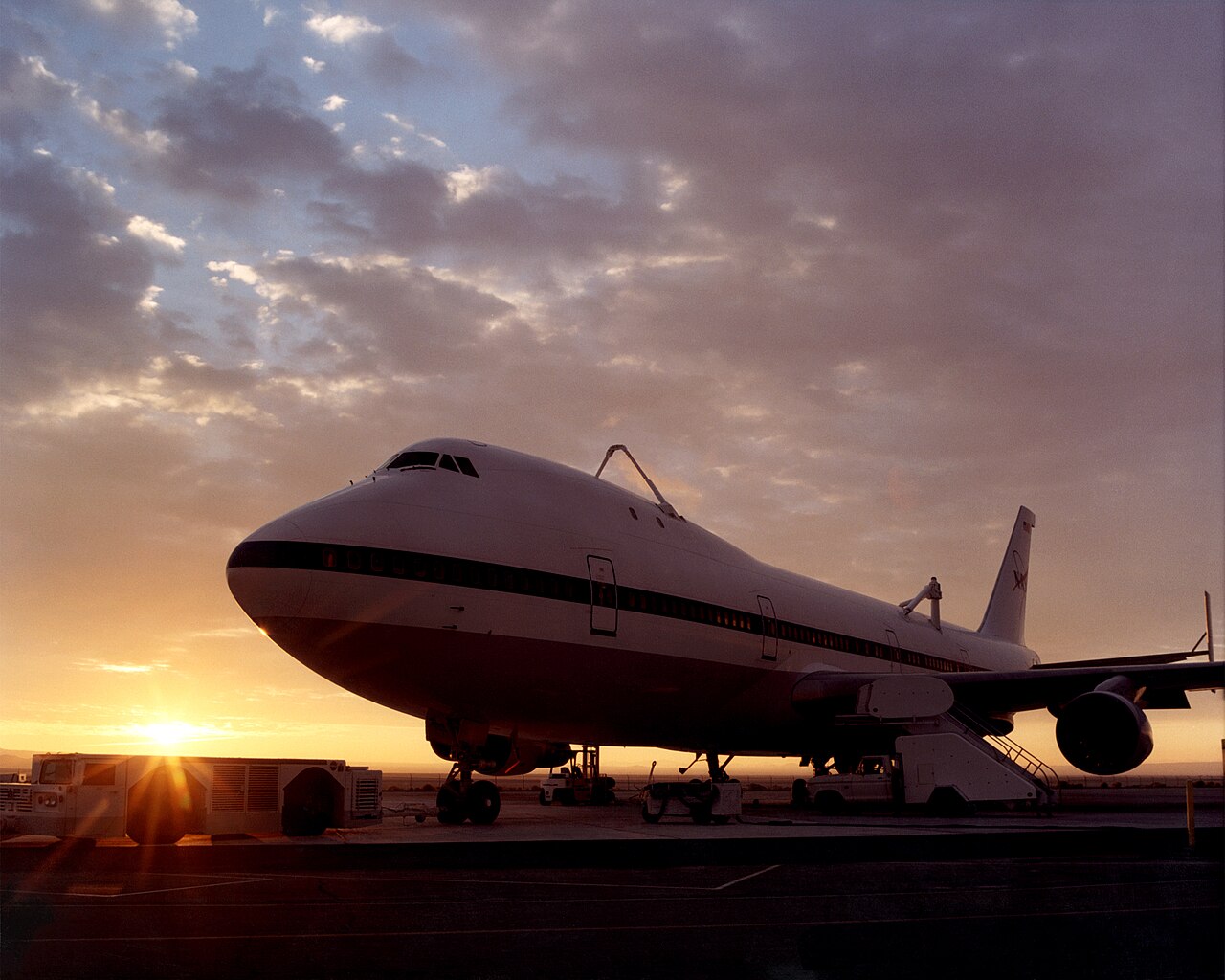
In the global theater of diplomacy, the state aircraft is not merely a transport vehicle, but an extension of national sovereignty, an aerospace engineering masterpiece designed for maximum reliability and extreme range.
✈️ Technical Specs & Performance
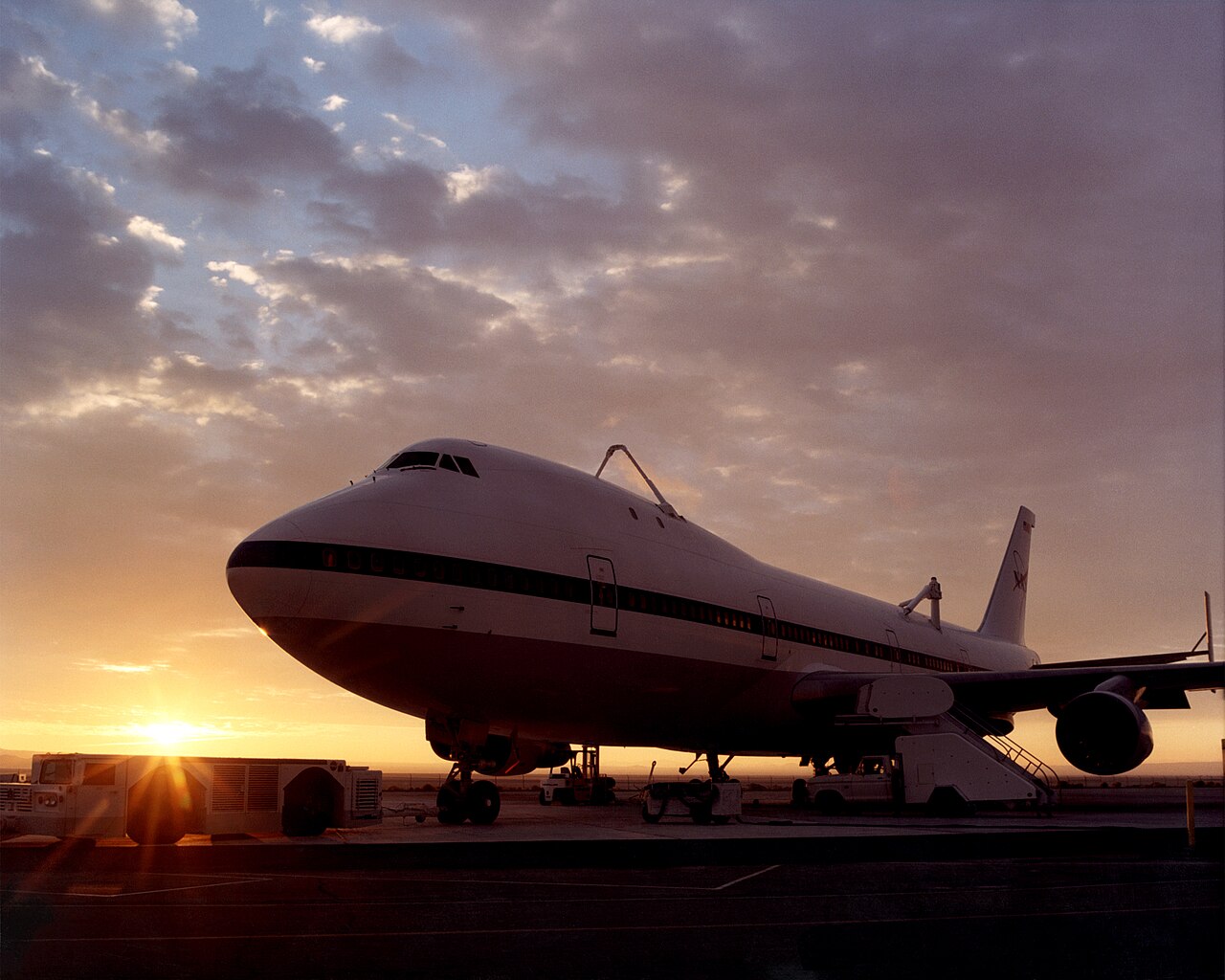
History, Origins and Design Philosophy
The genesis of government transport lies in the need to ensure continuity of command. From the conversion of early piston-engine quad-jets, evolution has led to wide-body platforms where design philosophy prioritizes critical system redundancy.
Aeronautical Engineering, Engines and Aerodynamics
The integration of high-bypass turbofan engines ensures not only fuel efficiency for intercontinental routes but also the thrust required for takeoffs from short runways under high load conditions. Aerodynamics are optimized to reduce parasitic drag at transonic cruise speeds.
Life in the Cockpit: Operational Procedures and Pilots
State pilots operate under extremely rigorous Crew Resource Management (CRM) protocols. Flight management involves strategic planning including high-security alternate airports and precision instrument approach procedures in all weather conditions.
Real Missions, Famous Routes and Operational Challenges
From transatlantic crossings to flights to G20 summits, operations require meticulous planning. Fuel management and ground logistical support are elements that define the success of a diplomatic mission.
| Technical Characteristic | Official Data |
|---|---|
| Wingspan | 68.4 m |
| Length | 76.3 m |
| MTOW | 447,700 kg |
| Unit Thrust | 66,500 lbf |
The legacy of these flying machines lies in their ability to unite nations. The future will see increasingly sustainable aircraft, while maintaining the mission of protection and global diplomacy.